

Roof Installation Leesburg, FL
Leesburg roof installation projects range from lakefront custom homes and downtown infill to additions, garages, community buildings, and new subdivisions along major corridors. A roof near Lake Harris or Lake Griffin may face open wind and sun, while a compact site in Beverly Shores, Palmora Park, Love’s Point, or downtown can demand tighter staging. O’Toole Roofing installs residential and commercial systems across Leesburg from US 27 and US 441 to CR 44, CR 473, and Newell Hill Road.
What type of Leesburg roof is planned?
Who Provides Complete Roof Installation In Leesburg, FL?
O’Toole Roofing installs residential and commercial roofs across Leesburg for custom homes, subdivisions, additions, garages, multifamily buildings, offices, retail properties, and other projects with framing and decking ready for roofing.
Complete installation extends below the visible surface. The project should coordinate substrate, underlayment, insulation where applicable, edges, valleys, drainage, penetrations, ventilation, flashing, fastening, and finish material. Inspections, cleanup, warranty records, and closeout documentation also belong within the connected roofing scope.
Leesburg sites differ widely, from established homes near downtown and Beverly Shores to lakefront properties, larger parcels, active subdivisions, and commercial corridors along US 27 and US 441. Roof size, neighborhood access, open exposure, nearby buildings, and construction traffic shape execution.
Roof Installation Between Lake Harris And Lake Griffin Requires Strong Drainage, Edges, Ventilation, And Logistics
Leesburg’s lakefront setting, open summer sun, fast rain, and broad mix of housing make the complete assembly important. Large roof planes need controlled dry-in, valleys must move heavy water, edges need secure detailing, and attic design should support the building without relying on a generic vent layout.
O’Toole Roofing reviews roof plans, deck type, slopes, drainage points, wall intersections, rooftop openings, ventilation paths, approved products, and jobsite access. That review turns material selections into an installation sequence suited to the specific house, subdivision lot, community building, or commercial property.
Roof Systems For Lakefront Homes, Neighborhood Additions, New Communities, Garages, Multifamily, And Commercial Projects
The work is organized from substrate and water control through finish material, inspections, cleanup, warranty documents, and handoff.
Large Residential Roof Layouts
Hips, valleys, ridges, porch returns, garages, dormers, and multiple roof heights are coordinated before underlayment and finish roofing.
Lakefront Edge Detailing
Perimeters, eaves, rakes, ridges, walls, penetrations, and exposed transitions receive approved fastening, closures, sealants, flashing, and weather-shedding components suited to lakefront conditions.
Historic Infill And Additions
New roof areas are fitted to established framing, masonry walls, older decks, narrow setbacks, and existing drainage without improvised joints.
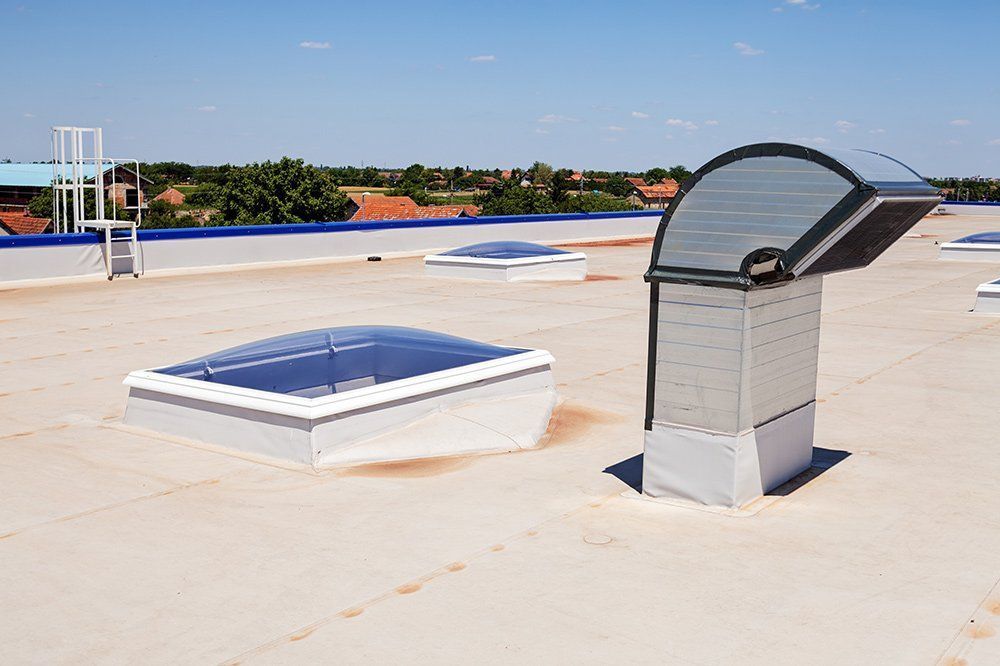
Commercial Low-Slope Roof Installation
Insulation, cover board, TPO or modified bitumen, drains, scuppers, curbs, edges, seams, and rooftop equipment are sequenced correctly.
Tile And Metal Roof Systems
Structural support, dry-in, fastening, movement, trim, flashing, layout, and approved accessories are matched to the selected finish.
Ventilation Moisture Control
Intake, exhaust, attic compartments, insulation, vaulted sections, roof color, and mechanical conditions are reviewed before vents are installed.
Leesburg Roof Installation Risks That Should Be Settled Before Dry-In Becomes The Schedule’s Emergency
A clear answer on these conditions helps prevent change orders, uncovered interiors, failed inspections, and incompatible roof components.
Valleys Carry Several Roof Planes
Large hip roofs and attached garages can concentrate water, so valley type, underlayment, cuts, and discharge points need early decisions.
Open Lake Exposure Reaches Edges
Perimeter zones, starter, edge metal, panels, ridges, temporary protection, crew sequencing, fastener patterns, and material storage should reflect the open and exposed site conditions.
Commercial Drainage Needs Finalization
Taper, drains, scuppers, overflow paths, curbs, parapets, insulation, deck elevations, and equipment locations must be coordinated and verified before commercial membrane installation begins.
The Addition Has Competing Slopes
Roof height, pitch, wall space, valley location, and eave discharge can conflict when a new room joins the house.
Attic Compartments Do Not Connect
Separated garages, vaulted rooms, additions, and fire-blocked areas may need different intake and exhaust solutions within one roofline.
Deliveries Cross An Occupied Community
Neighborhood traffic, shared access, parked vehicles, residents, narrow drives, and work-hour rules can change material and equipment staging.
Leesburg Owners Need To Separate New Installation From Existing-Roof Replacement Before Comparing Proposals
The same finish material can appear in either project, yet the labor, concealed risks, substrate preparation, permits, property protection, inspections, debris handling, and construction schedule differ substantially.
New Roof Installation Is Appropriate When
- New framing or a newly completed deck is ready on a house, addition, garage, community, or commercial building
- The assembly can be built without removing or disposing of an existing roof first
- Plans establish slopes, drainage, curbs, walls, penetrations, edge conditions, ventilation, and structural requirements
- Selected materials, accessories, fasteners, insulation, and flashing form one documented approved roof system
- The roofing contractor can coordinate dry-in, inspections, deliveries, rooftop trades, and the building’s interior schedule
Existing-Roof Replacement Is The Correct Project When
- An occupied or completed building already has roofing that has aged, leaked, storm-damaged, or reached replacement condition
- Tear-off is needed to expose decking, old flashing, previous repairs, trapped moisture, or multiple material layers
- Work must protect interiors, residents, customers, landscaping, vehicles, pools, docks, or operating business areas
- The proposal needs disposal, deck repair allowances, temporary weather protection, and adaptation to established openings
- The objective is renewing an existing building envelope rather than completing the roof on new construction
Leesburg Shingle, Metal, Tile, And Commercial Membrane Roofs Require Different Complete Assemblies
Pitch, deck, building use, exposure, and drainage guide the material choice. Appearance, maintenance, structural capacity, approved details, and compatible accessories should confirm whether that roof system fits.
Architectural Shingle Roof Systems
Deck, dry-in, starter, valleys, field shingles, flashing, ventilation, fasteners, and caps are installed under one coordinated specification.
Residential Metal Roofing
Underlayment, panels, clips or screws, closures, trims, hems, ridges, walls, and penetrations account for movement and exposure.
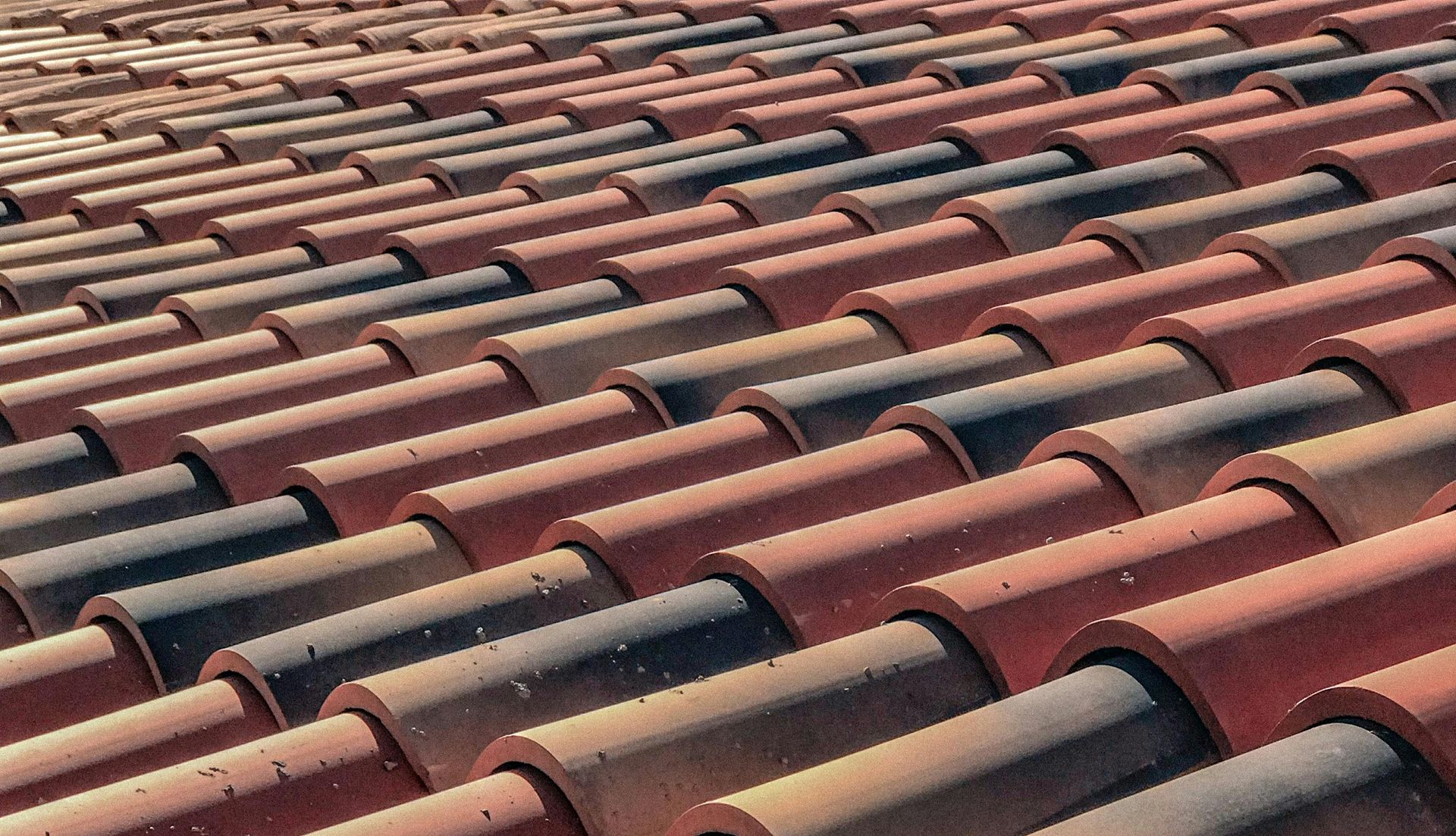
Complete Tile Roof Assemblies
Structural loading, water barrier, flashing, attachment, tile pattern, hips, ridges, valleys, cuts, penetrations, and deck conditions are planned together before material placement begins.
TPO And Modified Bitumen
Commercial sections need compatible insulation, cover board, membrane, seams, drains, curbs, parapets, edges, and overflow drainage.
How O’Toole Roofing Organizes Roof Installation Across Leesburg Properties
The process should turn drawings and selected materials into a controlled field sequence that respects weather, inspections, neighbors, trades, and building use.
Establish Scope, Building, And Schedule
The team identifies the project type, plan set, roof stage, system selection, permit status, access route, other trades, and target dry-in date.
Check Substrate, Drainage, And Openings
Decking, slopes, valleys, drains, walls, eaves, ridges, curbs, pipes, vents, and equipment locations are verified in the field.
Confirm Materials, Documents, And Logistics
Approved products, colors, accessories, warranty requirements, deliveries, staging, inspections, alternates, and responsibility boundaries are recorded before work.
Build From Dry-In Upward
Water barrier, insulation where specified, flashings, edges, drainage, field material, penetrations, ridges, and terminations follow the planned sequence.
Close Inspections And Deliver Records
The roof and property are reviewed, cleanup is completed, inspection items are resolved, and applicable warranties or maintenance information are delivered.
Roof Installation Around Lake Harris, Lake Griffin, Venetian Gardens, Beverly Shores, Palmora Park, And Major Corridors
Leesburg is known as a lakefront city shaped by the Harris Chain, established neighborhoods, a traditional downtown, expanding subdivisions, and commercial routes. Roofing projects near Lake Harris, Lake Griffin, Venetian Gardens, Beverly Shores, Palmora Park, Love’s Point, US 27, US 441, CR 44, and CR 473 can differ sharply.
A lake-facing custom home may need open-exposure detailing and careful landscaping protection. A downtown addition may have close neighbors and narrow staging, while a subdivision or corridor project can depend on repeatable assemblies, controlled deliveries, municipal inspections, and coordination across several trades.
- Lake Harris and Lake Griffin sites can receive open wind, strong sun, fast rain, and moisture around shaded edges
- Beverly Shores, Palmora Park, Love’s Point, and downtown properties may combine established homes, additions, trees, and tight access
- Major highway corridor projects can include commercial roofs, multifamily buildings, larger staging needs, and traffic
- CR 44 and CR 473 growth includes new residential work that requires consistent dry-in, fastening, inspection, and delivery procedures
- Venetian Gardens and waterfront-area properties need protection for landscaping, pools, docks, walks, vehicles, and neighboring sightlines
Eight Leesburg Variables That Can Change Material Choice, Roof Detailing, Access, And Installation Timing
Building type and location influence the assembly; lake exposure, heat, drainage, neighborhood conditions, commercial use, and growth patterns all matter.
Harris Chain Wind Exposure Conditions
Open water can increase wind-driven rain at eaves, rakes, ridges, walls, valleys, and temporary dry-in edges.
Open Sun
Roof color, ventilation, underlayment exposure limits, material storage, worker sequencing, panel expansion, attic heat, and thermal movement deserve early attention throughout the installation process.
Large Hip Roofs
Broad plans with garages and porches create multiple valleys, ridges, transitions, drainage concentrations, and material quantities.
Neighborhood Access
Close homes, mature trees, pools, fences, parked vehicles, and narrow drives can restrict equipment and debris control.
Active Subdivision Growth
Repeated home designs still require individual deck checks, weather decisions, inspection records, and coordination with active trades.
Commercial Corridor Access
Customers, employees, deliveries, parking, rooftop equipment, operating hours, and safety zones affect low-slope installation logistics.
Complex Roof Drainage Paths
Valleys, gutters, scuppers, drains, overflows, porch tie-ins, and lower roofs must route intense rainfall away from walls.
Mixed Roof Materials
A property may combine shingles, metal, tile, and membrane, requiring compatible transitions without forcing one detail everywhere.
Leesburg Roof Installation Logistics Should Account For Residents, Neighbors, Pools, Docks, Businesses, And Landscaping
Installation may occur above an occupied residence, beside a community street, near a pool or dock, or over a commercial property that remains active. The crew needs a defined plan for deliveries, parking, equipment, ladders, material storage, roof loading, and daily cleanup.
Leesburg properties can include close neighbors, landscaping, waterfront features, shared access, customer entrances, and active trades. Protecting those areas keeps the site functional while roofing moves from exposed deck to completed system.
- Set delivery and loading zones that preserve resident, customer, emergency, neighbor, and trade access around the building
- Protect pools, docks, patios, air-conditioning equipment, landscaping, windows, sidewalks, vehicles, and outdoor living areas below
- Coordinate cranes, lifts, dumpsters, trailers, and material stacks with traffic flow, overhead lines, slopes, and ground conditions
- Collect fasteners, metal cuttings, tile fragments, membrane scraps, packaging, and loose debris from roofs, yards, parking, and walks
- Resolve deck, drain, curb, wall, or mechanical conflicts before roofing proceeds beyond the approved Leesburg installation scope
What Backs O’Toole Roofing As A Leesburg Roof Installation Option
The company publishes a dedicated Leesburg roof installation page, provides residential and commercial systems, serves Lake County, and lists a ten-year warranty on new roofs. Project documents should connect those general commitments to the actual building and selected assembly.
Published Roof Installation Information
O’Toole Roofing maintains a published roof installation service page describing residential materials, project expectations, new-roof coverage, system options, and contact steps for Leesburg property owners.
Residential And Commercial Systems
The company presents shingle, metal, tile, TPO, modified bitumen, and related roofing options for varied building needs.
Published Ten-Year Warranty
A ten-year warranty on new roofs provides a workmanship term to compare with system limits, manufacturer documents, and maintenance.
Select A Roof Installer That Plans The Whole Leesburg Assembly, Not Only The Visible Material
O’Toole Roofing works throughout Leesburg from its Lake County base. A useful installation review can cover lake exposure, broad hip roofs, commercial drainage, subdivision schedules, established-neighborhood access, additions, ventilation, permits, and closeout rather than discussing shingles or panels in isolation.
How The System Is Defined
- Building use, plans, deck, roof geometry, drainage, finish material, insulation, and permit status are established first
- Edges, valleys, walls, curbs, penetrations, vents, drains, ridges, and transitions are located before material installation
- Lakefront, neighborhood, subdivision, and commercial access conditions are built into delivery, staging, safety, and cleanup planning
- Shingle, metal, tile, TPO, or modified bitumen components are matched to substrate, pitch, exposure, and drainage
- Inspection responsibilities, warranty documents, material selections, alternates, and unresolved trade work are recorded in writing
What The Owner Should Understand
- How decking, dry-in, flashing, ventilation, drainage, edges, penetrations, and finish roofing create one complete system
- Which work belongs to the roofer, builder, owner, mechanical trades, framers, or other project participants
- How lake exposure, heat, roof size, access, operations, or subdivision timing affects planning
- What new-roof warranty and manufacturer protection apply to the exact Leesburg assembly after closeout
- Which field conflicts or unfinished conditions must be corrected before the roofing crew can continue reliably
O’Toole Roofing Pages For Installation, Commercial Systems, Warranties, Service Areas, And Contact Details
Review the company’s published information before discussing the property, plans, deck stage, chosen system, drainage, access, inspection needs, warranty expectations, and construction schedule.
Start With Installation Services
Review Systems And Warranties
Request Roof Project Coordination
Roof Installation Leesburg, FL FAQs
These answers cover installation scope, residential and commercial systems, City of Leesburg permitting, lake exposure, additions, site logistics, warranty protection, and scheduling.
Does O’Toole Roofing install new roofs in Leesburg?
Yes. The company publishes a Leesburg roof installation page and includes Leesburg within its service area. Residential and commercial project inquiries can be made through the website or by calling 352-406-8052.
What does complete roof installation include beyond the surface material?
A complete scope may include deck verification, underlayment, insulation where applicable, edges, valleys, flashing, drainage, ventilation, penetrations, fasteners, and finish roofing. It should also identify inspections, cleanup, warranty records, closeout documents, and responsibilities for the specific building.
How are roof installation permits and inspections handled for projects in Leesburg, Florida?
The City of Leesburg provides online building-permit services for applications, document uploads, status review, payments, and inspection scheduling. The proposal should state who manages roofing submissions, product documents, and inspection corrections.
Which roof systems can be installed on Leesburg commercial buildings?
The appropriate system depends on deck, slope, drainage, insulation, rooftop equipment, operations, and project goals. O’Toole Roofing publishes commercial options including TPO, modified bitumen, metal, shingle, and tile applications.
Does lakefront exposure change a new roof installation plan?
It can. Open wind and rain increase attention to dry-in, perimeter zones, edge metal, ridges, flashing, drainage, compatible fasteners, material storage, and weather windows while the roof is incomplete.
Can a new addition roof connect to my existing home?
Yes, when elevations, pitch, framing, wall space, valley location, drainage, deck support, and compatible flashing allow a reliable transition; the existing wall or roof surface may also need removal, preparation, and weatherproofing before the new assembly can connect correctly.
What warranty does O’Toole Roofing list for new roofs?
O’Toole Roofing publishes a ten-year warranty on new roofs. The final agreement should define workmanship coverage, system boundaries, effective date, exclusions, manufacturer warranties, owner responsibilities, and required records.
What information helps schedule a Leesburg roof installation?
Provide the plan set, project address, building type, roof stage, expected deck date, selected material, permit status, required dry-in date, access limits, delivery restrictions, other-trade schedule, inspection needs, and any homeowner-association or operating-hour requirements affecting work.
Need Roof Installation In Leesburg, FL
Contact O’Toole Roofing for roof installation on a Leesburg lakefront home, addition, garage, subdivision house, multifamily building, office, retail property, or other commercial structure. A dependable proposal should connect the plans, substrate, water control, material assembly, site logistics, inspections, warranty, and closeout before the roof becomes critical to the schedule.
Locally owned and operated, O’Toole Roofing provides comprehensive roofing services across Central Florida. Specializing in both residential and commercial roofing, we handle all types of projects.
Whether it's dealing with a small leak or tackling a major repair, our roofers take the right steps to ensure safety and quality are never compromised. When you choose O’Toole Roofing, you're partnering with local roofers who take pride in every job they do.
Get In Touch
Fill out this form or call your nearest location. We’ll get back to you shortly.
GET IN TOUCH
Fill out this form or call your nearest location.
Contact Us
We will get back to you as soon as possible.
Please try again later.
Commercial :
Residential
Asphalt Shingle
A reliable and affordable option
Offers excellent durability
Metal Roofing
Ensures performance without sacrificing aesthetics
Tile Roofing
Metal Roofing
Superior water protection
Withstands harsh weather and sun
TPO
Modified Bitumen
Superior water protection
Commercial
Warranties For Your Peace of Mind
Investing in your roof shouldn’t be a risk. That’s why we offer warranties that provide additional protection for our clients. These include:
25 and 50-year extended warranties on select roof coatings
1-year warranty on roof repairs
10-year warranty on new roofs
Jon fixed some lighting issues that I couldn't handle on my own. He was professional, courteous and worked quickly. Jon fixed some lighting issues that I couldn't handle on my own. He was professional, courteous and worked quickly.
Oliver K.
google REVIEWS
Jon fixed some lighting issues that I couldn't handle on my own. He was professional, courteous and worked quickly. Jon fixed some lighting issues that I couldn't handle on my own. He was professional, courteous and worked quickly.
Oliver K.
google REVIEWS
Jon fixed some lighting issues that I couldn't handle on my own. He was professional, courteous and worked quickly. Jon fixed some lighting issues that I couldn't handle on my own. He was professional, courteous and worked quickly.
Oliver K.
google REVIEWS