
Roof Coatings Bassville Park, FL
A roof coating can be part of a maintenance or protection plan for a suitable existing roof, but it is not a universal fix for leaks or worn-out roofing. O'Toole Roofing includes protective roof coatings among its Central Florida roofing services. For Bassville Park properties, the first step is to evaluate the roof surface, seams, flashings, penetrations, drainage, previous repairs, and substrate condition before deciding whether coating work fits the roof.
What are you trying to address with a coating?
What Should Be Checked Before A Roof Coating Is Proposed In Bassville Park?
The existing roof needs to be evaluated before a coating scope is written. The surface material, seams, laps, flashings, fasteners where applicable, penetrations, edges, drainage points, previous repairs, and any existing coating all influence whether new coating work is reasonable.
A coating does not replace damaged decking, failed membrane areas, open seams, loose metal, deteriorated flashing, or other defects that need repair first. If water is entering the building, the source should be investigated and corrected rather than covered with a new surface layer.
Preparation matters just as much as application. Cleaning, dry conditions, repair work, detail treatment, and compatibility with the existing roof all belong in the project discussion. A useful proposal should explain those steps instead of treating coating as a simple paint job.
Bassville Park Roof Coating Projects Should Begin With Suitability, Repairs, And Surface Preparation
Some roofs may be good candidates for protective coating work, while others need repair or replacement before coating is considered. The difference depends on the existing roof system, the extent of deterioration, moisture concerns, drainage, and whether the surface can be prepared for the intended application.
O'Toole Roofing can review those conditions and discuss where coating fits within the larger maintenance plan. That keeps the project focused on the roof's actual needs and avoids using a coating to mask defects that still require roofing work underneath.
A Roof Coating Should Address More Than The Main Roof Surface
Edges, seams, penetrations, flashings, drains, transitions, and previous repairs often need as much planning as the broad roof surface. These details should be defined before coating work begins.
Existing Roof Surface
Evaluate whether the exposed roofing is sound enough for preparation and coating, and identify damaged areas that need repair instead of surface coverage.
Seams And Laps
Review membrane seams, metal laps, or other joints for openings, movement, previous repairs, and detail work that should be corrected before the coating layer is applied.
Penetrations And Flashing
Pipes, vents, equipment curbs, walls, and other interruptions need watertight details that work independently of the coating spread across the main roof field.
Edges And Perimeters
Roof edges can experience movement and weather exposure that differ from the open field. Perimeter details should be inspected and included in the preparation scope.
Drainage Areas
Drains, scuppers, gutters where applicable, and low spots need to move water as intended. A coating should not be used as a substitute for solving a drainage condition.
Previous Repairs Or Coatings
Patches and older coating layers can affect adhesion and preparation. Their condition and compatibility should be reviewed before new material is installed over them.
Six Conditions To Review Before Moving Forward With A Roof Coating In Bassville Park
A coating can protect a suitable roof surface, but it should not be used to hide conditions that need repair or a different roofing solution. These signs are reasons to evaluate the roof first.
The Roof Has An Active Leak
Find the source of water entry and repair the responsible roofing detail before coating work is treated as the solution. A broad surface layer cannot correct every leak path.
Seams Or Flashing Are Open
Separated seams, failed transitions, or loose flashing require repair and detail work. The coating scope should begin after those defects are understood.
The Surface Is Damaged Or Unstable
Loose, brittle, saturated, or badly deteriorated areas may not provide a dependable base for a coating. Those sections need their own roofing evaluation.
Water Is Not Draining Properly
Persistent ponding or slow drainage should be investigated as a roof-design or drainage concern. Coating should not be expected to create slope or correct blocked outlets.
Several Old Patches Are Failing
A roof covered with recurring repairs may need a broader condition review before another maintenance layer is added. The repair pattern can reveal whether the system remains a practical coating candidate.
An Existing Coating Is Peeling Or Worn
Older coating condition affects preparation and compatibility. Loose or poorly bonded material may need removal or repair before any new coating system is considered.
When Can A Bassville Park Roof Be Considered For Coating, And When Should Repair Or Replacement Come First?
Coating is most useful when the roof is still a suitable substrate and the necessary repairs can be clearly defined. A roof with broad failure, trapped moisture, unstable surfaces, or unresolved structural problems needs a different conversation before coating work is proposed.
A Coating Scope May Be Worth Considering When
- The existing roof surface is generally serviceable and the owner is planning protective maintenance rather than trying to hide widespread failure
- Seams, penetrations, flashings, and isolated defects can be repaired and prepared as part of a defined pre-coating scope
- The roof system is compatible with the proposed coating work after the existing material and previous treatments are reviewed
- Drainage paths are functioning well enough that the coating will not be expected to correct slope or standing-water problems
- The owner understands that future inspections and maintenance remain part of caring for the coated roof
Repair Or Replacement Should Be Evaluated First When
- Active leaks come from defects that cannot be solved reliably through surface preparation and coating alone
- Large roof areas are deteriorated, loose, damaged, or otherwise unable to provide a dependable coating substrate
- Wet or compromised roofing materials are suspected beneath the surface and need further investigation before they are covered
- Repeated patching across the roof suggests a broader system problem rather than isolated maintenance needs
- Structural, deck, drainage, or major flashing conditions must be corrected before any protective coating layer makes sense
Metal, TPO, Modified Bitumen, And Other Roof Surfaces Need System-Specific Coating Evaluation
A coating product cannot be chosen in isolation from the roof beneath it. The existing material, age, surface condition, repairs, seams, attachment, drainage, and previous coatings all affect the preparation and compatibility discussion.
Low-Slope Membrane Surfaces
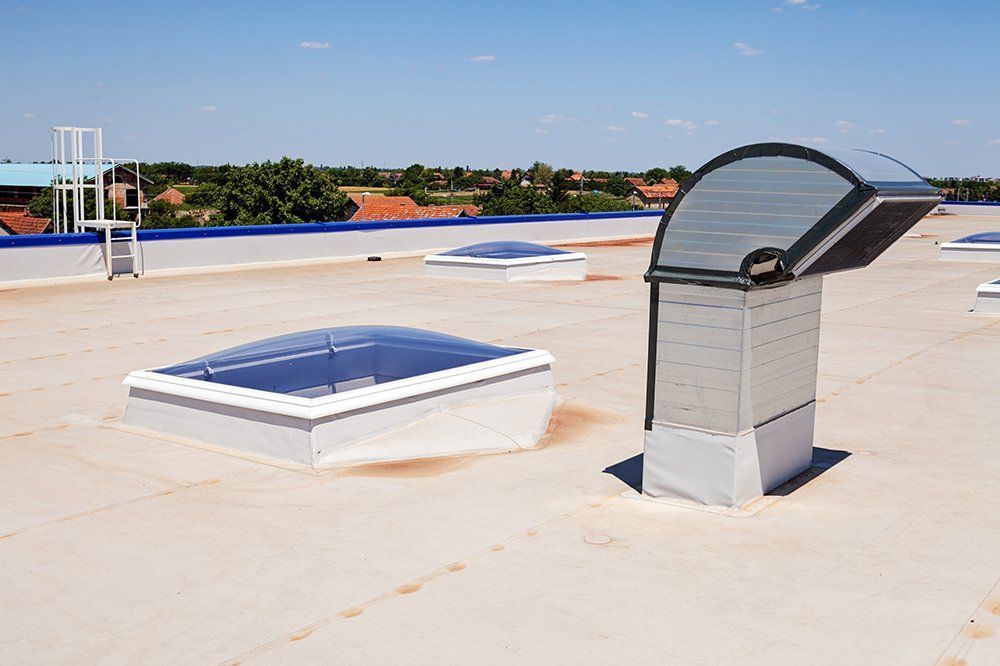
TPO and modified bitumen are among O'Toole Roofing's low-slope services. Before coating, review the membrane condition, seams, flashings, penetrations, edges, drainage, and prior repairs.
Metal Roof Surfaces
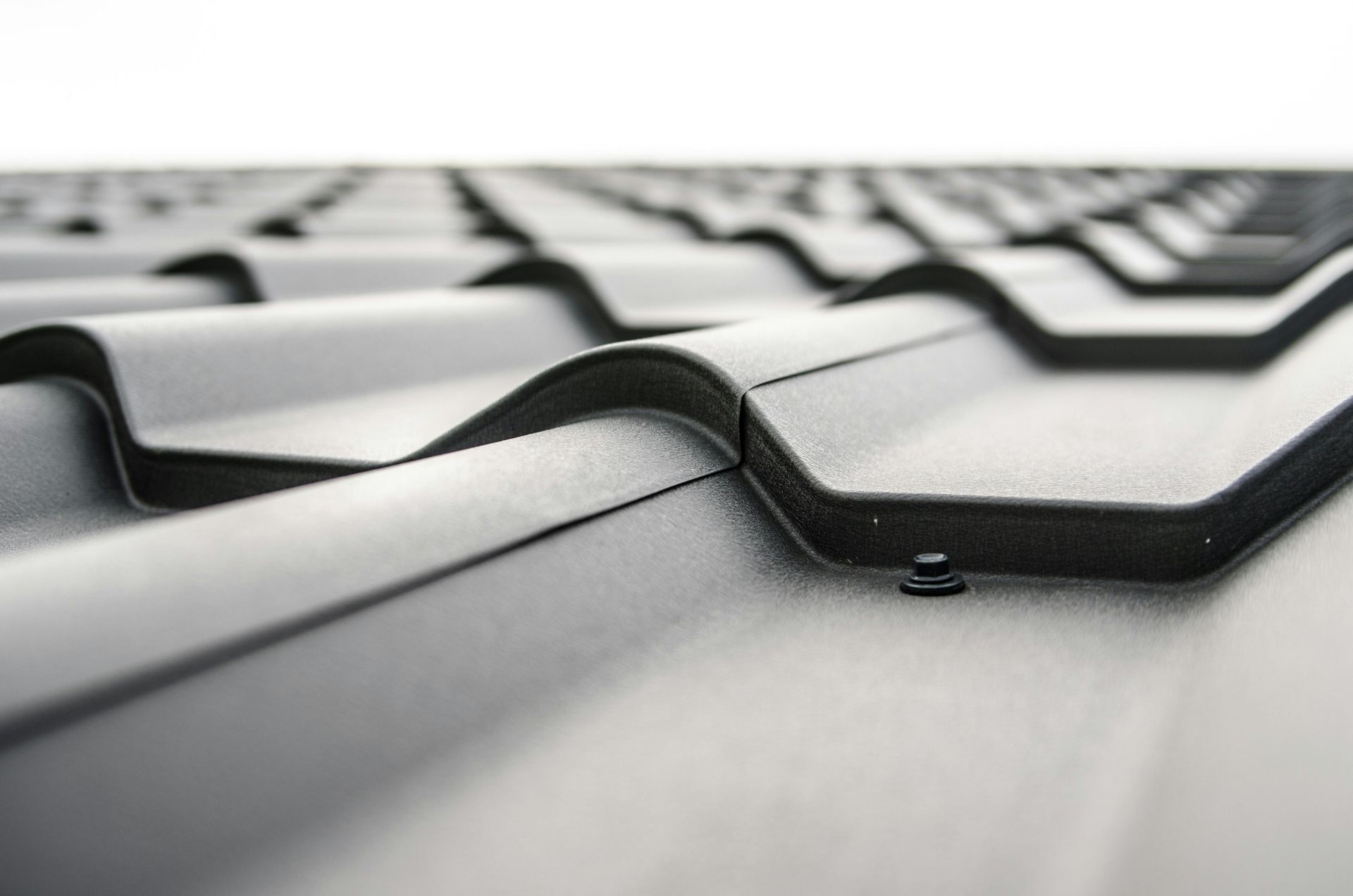
Metal roofs require attention to panel condition, seams or laps, fasteners where used, flashings, penetrations, rust or surface changes, and movement details before a coating scope is defined.
Flashing And Detail Zones
Walls, equipment curbs, vents, pipes, edges, and transitions often need repair or reinforced detail work before the broad roof field receives a protective coating.
Existing Coating Systems
When a roof has been coated before, inspect adhesion, wear, repairs, exposed substrate, and compatibility with the proposed maintenance system before recoating begins.
How O'Toole Roofing Handles A Roof Coating Project From Evaluation To Final Review
The process should establish whether the roof is a reasonable coating candidate, then complete the repairs and preparation needed for the surface to accept the selected system. Coating comes after those decisions, not before them.
Evaluate The Existing Roof System
Review the roof type, surface condition, leaks, seams, flashings, penetrations, drainage, previous repairs, access, and any existing coating before defining the maintenance scope.
Identify Repairs And Preparation
Mark defects that need repair, areas that require cleaning or special preparation, and details that must be addressed so damaged roofing is not simply covered over.
Confirm The Coating Scope
Define the roof areas included, preparation steps, repair responsibilities, detail work, coating application, exclusions, and any conditions that could change the project after work begins.
Prepare And Apply The System
Complete agreed repairs, clean and prepare the surface, treat seams and details as specified, and apply the selected coating in accordance with the project requirements.
Review The Finished Roof And Maintenance Needs
Inspect the completed coating areas, confirm that details and work zones are clean, and discuss future inspection and maintenance items that can help the owner monitor the roof over time.
Central Florida Sun And Rain Make Surface Condition And Drainage Important On Coated Roofs
Roof surfaces in Central Florida face strong sun, heat, rain, and periodic severe weather. A coating can be part of a protection plan for a compatible roof, but exposed edges, penetrations, flashings, seams, and drainage areas still need attention after the work is complete.
Heavy rain also makes drainage performance easy to overlook until water begins collecting or a leak appears. A coating should work with the roof's existing drainage, not be expected to correct slope. Ongoing checks are useful for catching surface wear or detail problems before they spread across a larger area.
- Keep drains, scuppers, gutters where present, and other water outlets clear enough to move runoff away from the roof
- Look for new cracks, peeling, open seams, damaged flashing, or exposed substrate after severe weather or rooftop service work
- Have penetrations and equipment areas reviewed when other trades cut, fasten, or move components on the roof
- Address recurring ponding or drainage concerns as their own roof issue instead of adding more coating over the same low area
- Schedule condition checks as the coating ages so isolated wear can be evaluated before it becomes a larger maintenance problem
Eight Factors That Can Shape Roof Coating Scope And Cost In Bassville Park
Coating proposals can vary because surface area is only one part of the job. Existing roof type, repairs, preparation, details, access, prior coatings, and drainage conditions can all affect the work required before application begins.
Roof Area And Layout
Larger roofs, multiple levels, parapets, equipment zones, and many transitions increase the amount of surface and detail work included in preparation and coating.
Existing Roof Material
Metal, TPO, modified bitumen, and other surfaces need different preparation and compatibility review before a coating system is selected.
Surface Preparation
Cleaning, removing loose material, treating worn areas, and creating a sound surface can require substantial labor before any coating is applied.
Repairs Before Coating
Open seams, damaged flashings, failed patches, loose materials, and other defects should be repaired first, and the amount of repair work can change the project scope significantly.
Penetrations And Edge Details
Vents, pipes, curbs, walls, roof edges, and transitions add detail work that may need reinforcement or separate preparation from the broad roof field.
Access And Roof Obstructions
Building height, roof access, mechanical equipment, solar equipment, and other obstacles can affect how crews stage, prepare, and reach coating areas.
Existing Coating Condition
A previous coating may require adhesion review, cleaning, localized removal, or repair before another layer can be installed successfully.
Drainage And Ponding Concerns
Slow drainage or standing water can change whether coating is appropriate and may require separate corrective work rather than more surface material.
Prepare Roof Access And Work Areas Before A Bassville Park Coating Project
Coating work still requires material delivery, roof access, cleaning, preparation, and movement around penetrations or equipment. Confirm where crews can enter, where supplies can be staged, and who can authorize access to commercial or shared areas before the project begins.
For occupied buildings, let the roofing team know about sensitive entrances, operating hours, rooftop equipment, and areas where runoff from cleaning or preparation must be controlled. Move vehicles or outdoor belongings from agreed work zones and keep occupants away from ladders and active material-handling areas.
- Identify approved roof access points and keep those routes clear for the duration of the coating work
- Point out rooftop equipment, recent repairs, solar components, or other areas that may require coordination with separate trades
- Move vehicles and movable property away from agreed staging or cleaning zones around the building
- For commercial properties, designate a contact who can coordinate access, operating concerns, and unexpected roof conditions
- Keep occupants, pets, and visitors away from ladders, material staging, and active roof-work areas while the project is underway
O'Toole Roofing Pairs Protective Roof Coatings With Residential And Commercial Roofing Experience
O'Toole Roofing was founded in 2013 by Ty O'Toole and his wife and serves Central Florida roofing customers. Its listed services include protective roof coatings along with metal, tile, shingles, TPO, and modified bitumen, and the company holds the CertainTeed Master Shingle Applicator certification.
Locally Owned Roofing Since 2013
Ty O'Toole and his wife established the company in 2013, building a locally owned roofing business that serves homes and commercial properties across its Central Florida market.
A Recognized Shingle Qualification
The company holds the CertainTeed Master Shingle Applicator certification. That credential is specific to shingle work, while coating suitability still depends on the roof system being evaluated.
Multiple Roof Systems And Coatings
Because O'Toole Roofing works with metal, tile, shingles, TPO, modified bitumen, and protective coatings, a coating discussion can begin with the actual roof material rather than assuming every surface should be treated the same way.
A Bassville Park Roof Coating Proposal Should Explain Repairs, Preparation, Details, And The Areas Being Coated
A clear coating proposal should show what roof sections are included, how the surface will be prepared, which repairs come first, how seams and penetrations will be treated, and what conditions are outside the coating scope. O'Toole Roofing can review those items so the owner understands the work required before the protective layer is applied.
What The Coating Review Should Establish
- Identify the existing roof material and confirm that the proposed coating work is being considered for a compatible, serviceable surface
- Document leaks, open seams, failed flashings, damaged areas, drainage concerns, and previous repairs that need attention before coating
- Review existing coatings or surface treatments for adhesion, wear, and compatibility with the planned maintenance system
- Define cleaning, preparation, detail treatment, repair work, and any roof areas that are excluded from the coating scope
- Assess roof access, equipment, penetrations, and occupied-building concerns that can affect staging and application
What The Owner Should Understand
- A coating does not replace structural repair, damaged decking, broad membrane failure, or other defects that require separate roofing work
- Ask how seams, flashings, penetrations, edges, drains, and previous patches will be addressed before the main roof field is coated
- Confirm which roof areas are included and whether any sections require a different roofing system because of slope, damage, or substrate condition
- Review available product and workmanship coverage documents that apply to the specific coating work rather than assuming all coated roofs carry the same terms
- Establish how new defects, wet areas, or incompatible existing materials will be communicated if they are discovered during preparation
O'Toole Roofing Resources For Bassville Park Roof Coatings And Related Roofing Services
Review these company pages for installation information, commercial roofing, published service areas, warranty resources, maintenance articles, ownership details, and contact options before starting a coating discussion.
Review Roofing Service Information
Explore Commercial And Maintenance Resources
Prepare Your Bassville Park Coating Inquiry
Roof Coatings In Bassville Park, FL: Customer FAQs
These answers cover roof suitability, leaks, existing coatings, preparation, drainage, metal and low-slope roofs, project cost factors, and ongoing maintenance.
Can a roof coating stop an active leak?
A coating should not be treated as the first answer to an active leak. The leak source needs to be identified and repaired, including failed seams, flashing, penetrations, damaged roofing, or other defects. Coating may be considered afterward if the remaining roof is a suitable substrate and the maintenance plan makes sense.
How do I know whether my roof is a good candidate for coating?
Start with the existing roof type and condition. A candidate roof generally needs a serviceable surface, repairable details, acceptable drainage, and compatibility with the proposed coating system. Widespread failure, wet materials, unstable surfaces, or structural concerns can point to a different roofing scope.
Can an existing coated roof be coated again?
Possibly, but the old coating must be evaluated first. Adhesion, wear, exposed substrate, previous repairs, cleanliness, and compatibility with the proposed system all matter. Recoating should not begin by assuming the existing layer is a sound base simply because it is already on the roof.
Are roof coatings only for commercial buildings?
Coatings are commonly discussed for compatible low-slope and metal roof surfaces, including many commercial properties, but suitability depends on the actual roof rather than the building label. O'Toole Roofing should evaluate the material, condition, drainage, and details before a coating scope is recommended.
What preparation is needed before a roof coating is applied?
Preparation can include inspection, repairs, cleaning, removal or treatment of loose material, and detail work at seams, flashings, penetrations, and edges. The exact steps depend on the existing roof and coating system. Applying material over dirt, failed repairs, or unstable roofing is not a substitute for preparation.
Will a coating fix ponding water on a low-slope roof?
A coating does not create roof slope. Standing water or slow drainage should be investigated separately, including drains, scuppers, obstructions, and roof geometry. The drainage condition can affect whether coating is appropriate and whether corrective work is needed first.
What affects the cost of a roof coating project?
Roof area, existing material, preparation, repair work, seams, penetrations, edges, access, equipment obstacles, old coatings, and drainage conditions can all affect scope and cost. A meaningful proposal should separate the coating application from the repairs and preparation required before it.
Does a coated roof still need inspection and maintenance?
Yes. Coatings age and roof details can still be damaged by weather, foot traffic, equipment service, debris, or movement. Periodic checks of seams, flashings, penetrations, edges, drainage, and worn coating areas help identify maintenance needs before they spread across larger sections.
Discuss Roof Coatings In Bassville Park, FL
Tell O'Toole Roofing what type of roof you have, whether it is leaking, whether it has been coated before, and what you hope to accomplish with the project. A coating evaluation should first determine whether the existing roof is suitable, what repairs and preparation are needed, and which areas belong in the protective maintenance scope.
Locally owned and operated, O’Toole Roofing provides comprehensive roofing services across Central Florida. Specializing in both residential and commercial roofing, we handle all types of projects.
Whether it's dealing with a small leak or tackling a major repair, our roofers take the right steps to ensure safety and quality are never compromised. When you choose O’Toole Roofing, you're partnering with local roofers who take pride in every job they do.
Get In Touch
Fill out this form or call your nearest location. We’ll get back to you shortly.
GET IN TOUCH
Fill out this form or call your nearest location.
Contact Us
We will get back to you as soon as possible.
Please try again later.
Commercial :
Residential
Asphalt Shingle
A reliable and affordable option
Offers excellent durability
Metal Roofing
Ensures performance without sacrificing aesthetics
Tile Roofing
Metal Roofing
Superior water protection
Withstands harsh weather and sun
TPO
Modified Bitumen
Superior water protection
Commercial
Warranties For Your Peace of Mind
Investing in your roof shouldn’t be a risk. That’s why we offer warranties that provide additional protection for our clients. These include:
25 and 50-year extended warranties on select roof coatings
1-year warranty on roof repairs
10-year warranty on new roofs
Jon fixed some lighting issues that I couldn't handle on my own. He was professional, courteous and worked quickly. Jon fixed some lighting issues that I couldn't handle on my own. He was professional, courteous and worked quickly.
Oliver K.
google REVIEWS
Jon fixed some lighting issues that I couldn't handle on my own. He was professional, courteous and worked quickly. Jon fixed some lighting issues that I couldn't handle on my own. He was professional, courteous and worked quickly.
Oliver K.
google REVIEWS
Jon fixed some lighting issues that I couldn't handle on my own. He was professional, courteous and worked quickly. Jon fixed some lighting issues that I couldn't handle on my own. He was professional, courteous and worked quickly.
Oliver K.
google REVIEWS